
Pouring a Patio Slab Under a Raised Deck
Turning the ground under a raised deck into a concrete patio near Medford: pouring around posts, protecting the house wall, sloping for drainage and curing.
Turning the ground under a raised deck into a concrete patio near Medford: pouring around posts, protecting the house wall, sloping for drainage and curing.

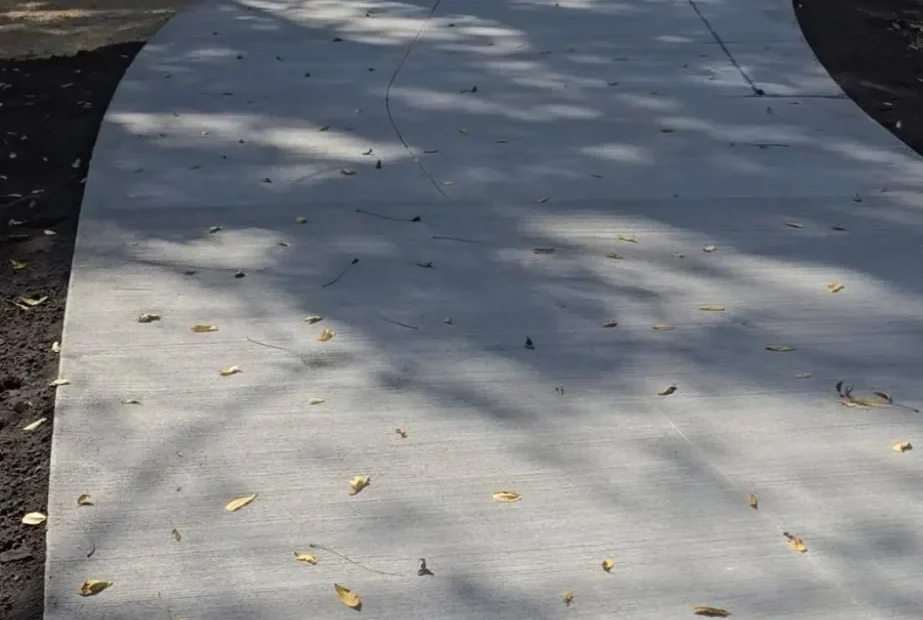
Planning a long concrete path that curves through a Medford yard with trees: staking the curve, roots, width, pitch, edges and joints for a narrow walk.
How to read cracks, heaving and sinking in an older Medford driveway to tell a repair job from a tear-out, and what replacing the slab properly involves.
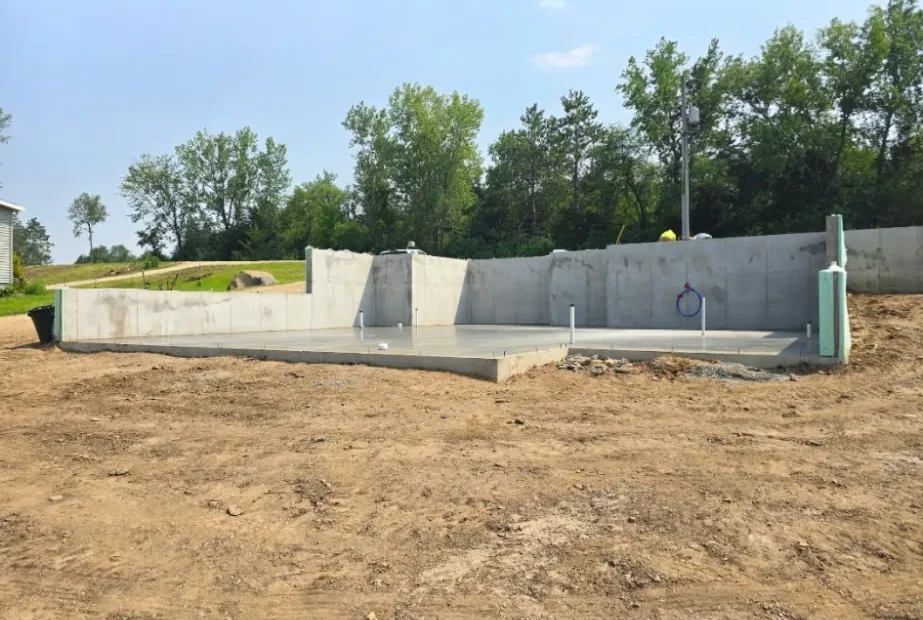
Before a new home’s footings go in near Medford: settling plumbing stub-outs, the garage step-down and drainage on clay with your builder and concrete crew.
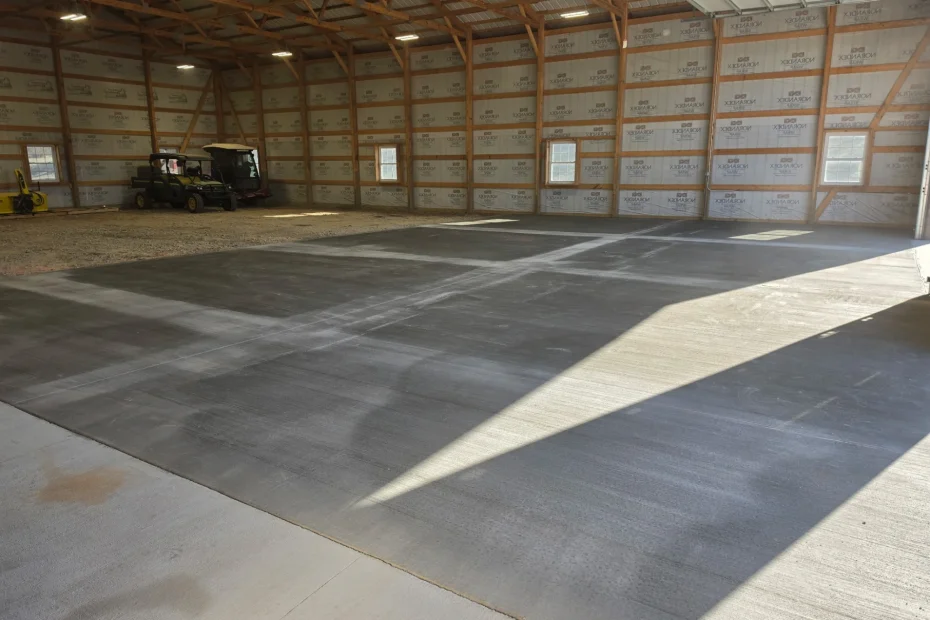
Pouring the front bays of a pole barn now and the back later: where the first pour stops, the steel left for the second slab, and keeping the gravel ready.
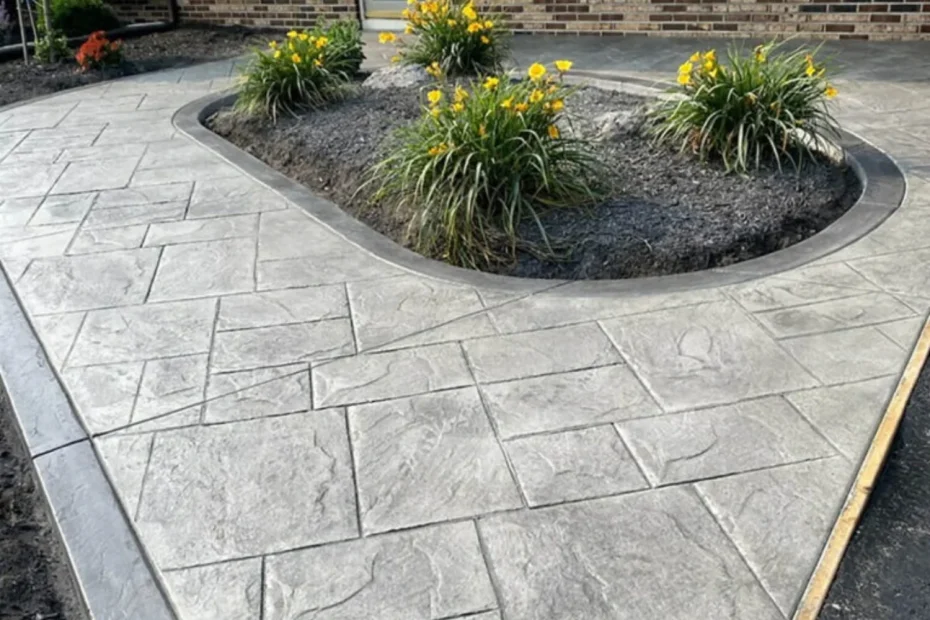
Planning a curved stamped front walk in Byron: laying the pattern around a bed, a smooth border, footing in rain and snow, and winter care for the surface.
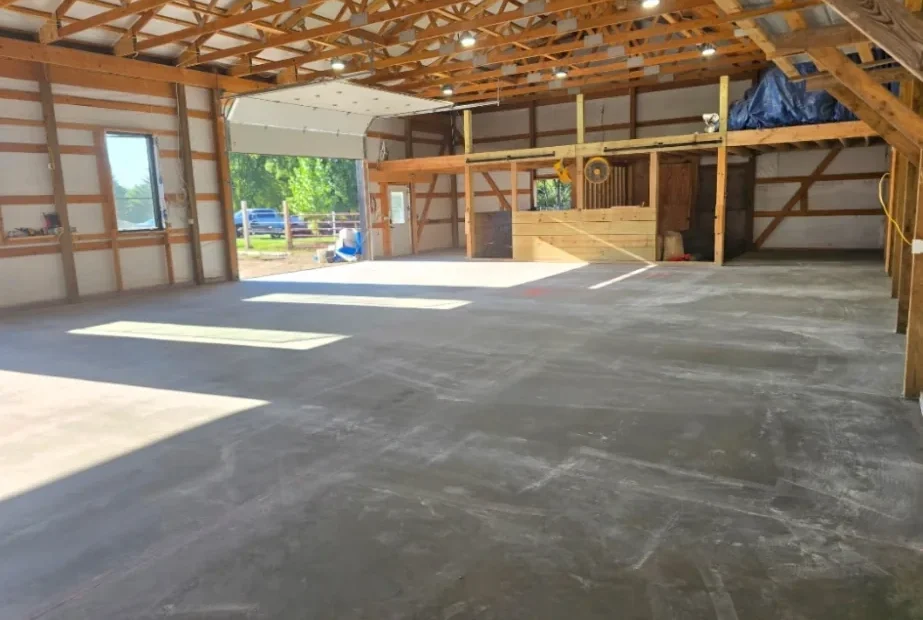
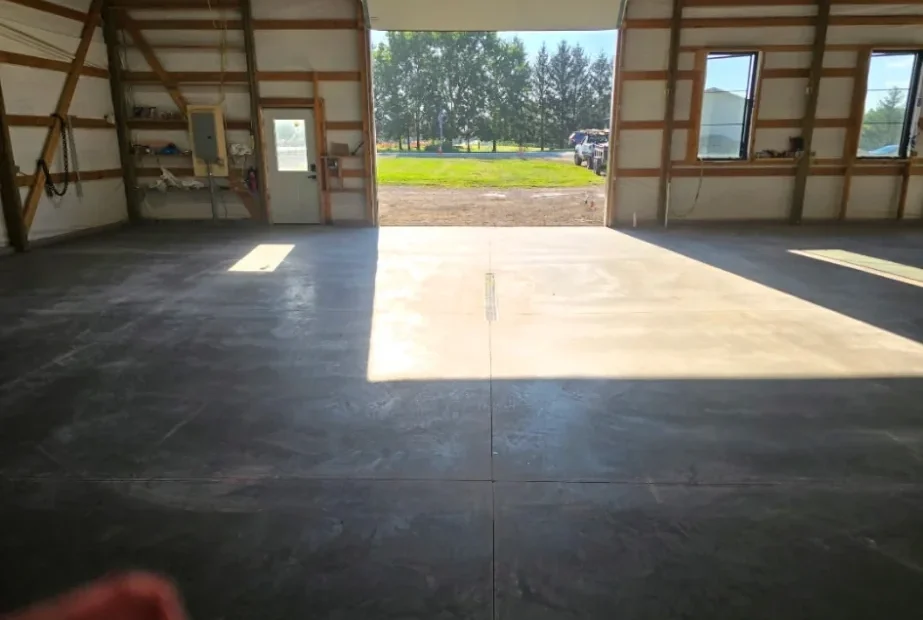
What a Byron shop or pole barn floor pour decides about polishing later: flatness, finishing, joint layout, curing and stains, and what a grinder cannot fix.
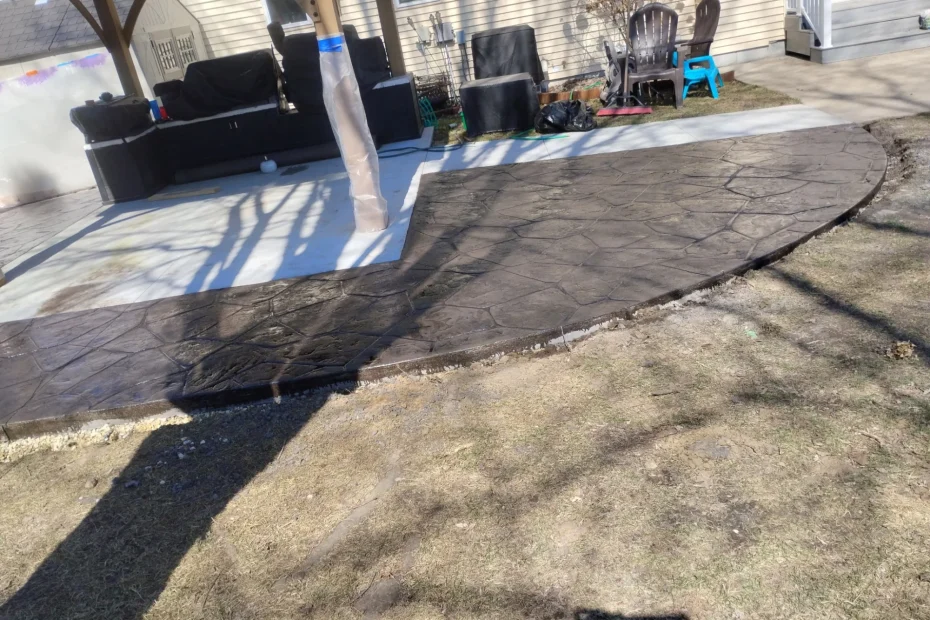
How a colored concrete border frames a plain gray patio or walk in Byron: color options, laying out a curve, the border joint, and how color reads once sealed.

Why fresh backfill beside a new Byron home keeps settling, and how recompaction, pitch away from the wall and an isolation joint keep a new patio flat.
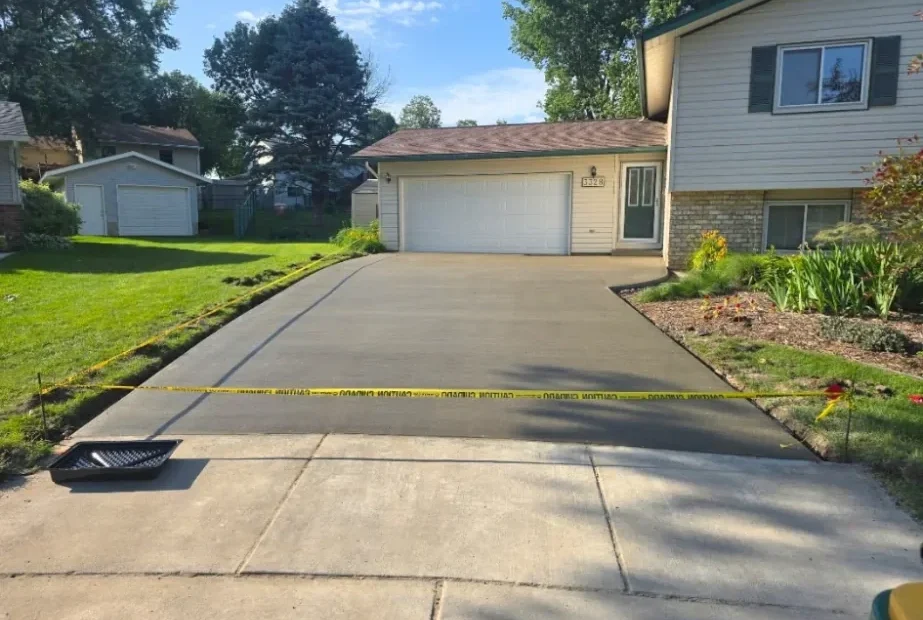
How to plan a Byron driveway that runs downhill to the garage: crown and pitch, the garage and street transitions, and when a trench drain is worth it.
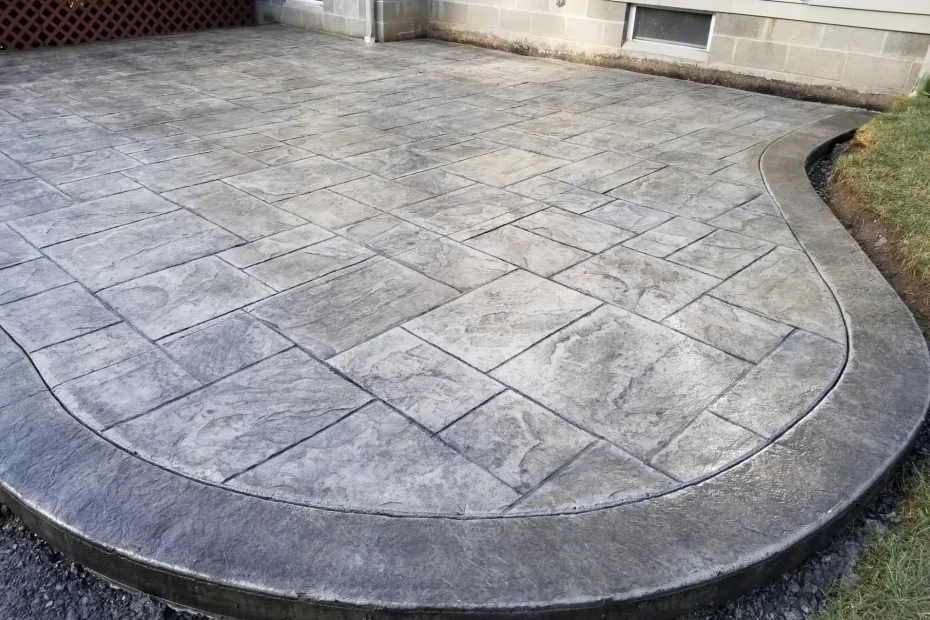
Broom, exposed aggregate, stamped and polished compared on how each weathers here and where each belongs, including the ones we talk people out of.
Concrete cracks. Joints decide where. How joints get placed on a Cannon Falls pour, and how to tell a normal crack from one worth a phone call.