Byron Polished Concrete
Polished Concrete in Byron
A floor that earns its shine.
Polished concrete for Byron garages, basements, walkout lower levels, and shop floors. Diamond-grinding from a 30-grit cut through a 3000-grit polish, densifier between stages to lock the surface, and a finish you pick: satin, semi-gloss, or full gloss. No epoxy, no waxes, no recoats every two years.
Free Site Visit
Get a free site visit.
Written quote within a few days. No pressure, no upsell. The owner answers the phone.
What Every Pour Includes
How we take a Byron floor to a shine.
01
Surface Prep
A polish is only as good as the cut.
We start with a 30 to 50-grit metal-bond diamond cut to open the slab and expose aggregate where the design calls for it. Old contamination, paint, and adhesive get ground off, not chemically stripped. The first pass is where a great polish is decided.
02
Densify
Lithium densifier locks the surface.
After the 50 or 100-grit cut we flood the slab with a lithium silicate densifier that reacts with the calcium hydroxide in the concrete to harden the wear surface. Densified concrete tests 30 to 50% harder than untreated. This is what makes a polished floor stop dusting.
03
Polish
Resin diamonds, 200 through 3000 grit.
Multi-step resin polish from 200-grit through 800, 1500, and 3000 depending on the gloss level you want. Satin stops at 400, semi-gloss at 800, full gloss at 1500 plus a final 3000-grit burnish. We test sheen on a square-foot patch before the final pass.
Recent Pours
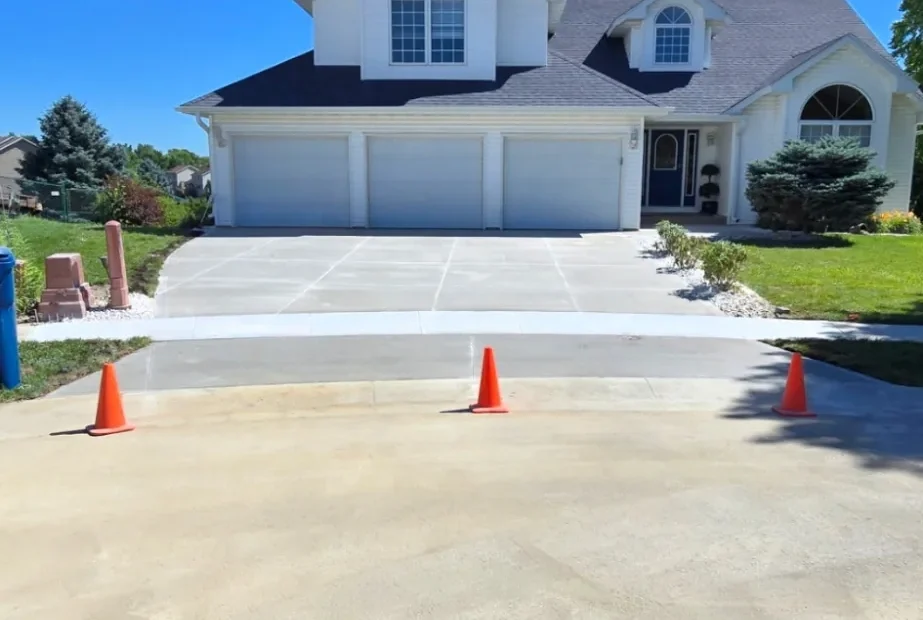
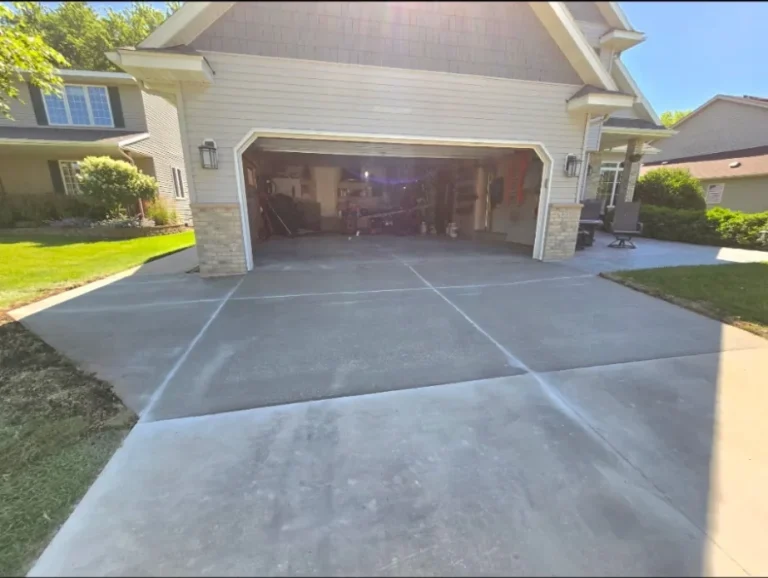
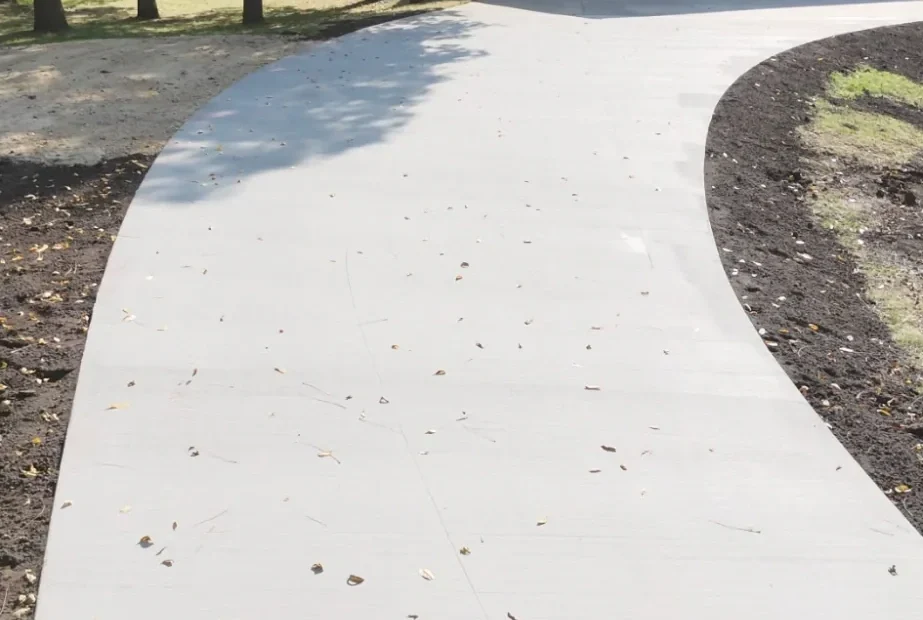
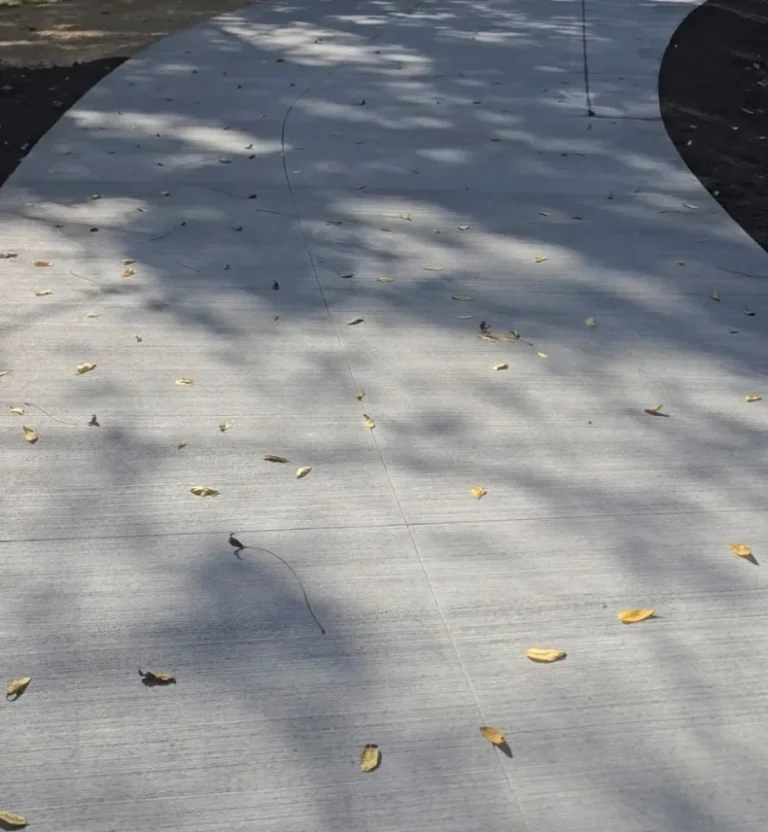
Pours we’re proud to sign.

Questions We Get
Byron homeowners ask us.
How is polished concrete different from epoxy?
Polished concrete IS the concrete slab itself, ground and polished. Nothing is applied on top. Epoxy is a separate coating that sits on the slab and can peel, chip, or yellow. Polished concrete lasts the life of the slab; epoxy is typically a five-to-ten-year finish in residential use.
Can my existing Byron garage slab be polished?
Most can. A sound concrete slab with no major cracking, oil staining, or thinset residue from an old floor is a polish candidate. We do a test grind on a corner first to confirm the aggregate exposure looks right and the slab is hard enough to take a finish.
Will a polished floor be slippery when wet?
Less than waxed concrete, less than epoxy, and the slip resistance is tunable. A satin (400-grit) finish has more grip than full gloss. We can also add a clear anti-slip additive to the densifier for garages where you track in snow and salt. Honest answer: no floor is non-slip when soaped.
How long does polishing take?
A typical 600-square-foot Byron garage is two to three days: day one grind, day two densify and run the polish stages, day three buff and final inspection. Basements take a day longer because of the cleanup logistics. You can drive on it the morning we leave.
What does polished concrete cost?
The variable is the starting slab condition: a flat clean modern slab polishes faster than a 1970s slab with patches and old adhesive.
Does a polished floor need sealing or waxing to keep its shine?
No, and that is one of the main reasons people choose it over a coating. The shine comes from the concrete itself being ground and densified, not from a topical wax or sealer that has to be stripped and reapplied. Day-to-day upkeep is a damp mop with a neutral cleaner. Years down the road, if a high-traffic lane starts to lose a little gloss, we can re-burnish that area to bring it back rather than redoing the whole floor. There is no sealer schedule to keep and nothing to peel.
Can I polish a heated basement or walkout floor in Byron?
Yes, and polished concrete pairs well with a heated slab because the dense, exposed concrete holds and radiates warmth nicely underfoot. If the floor has radiant tubing already in it, we work above that with no issue since polishing only affects the top surface. On a walkout lower level we do the same test grind first to check the slab condition, then talk through gloss level, because a basement living space and a walkout shop area often want different sheens. We spell all of that out at the site visit before any grinding starts.
Service Area
Serving Byron, MN and Olmsted County.
Polished In Byron
The slab you already have, made better.
Polished concrete is the right call for a lot of Byron garages, basements and walkout lower levels, because the floor is already there. We are not coating it, we are refining the slab itself with diamonds. We grind from a coarse 30-grit metal-bond cut up through a fine 3000-grit resin polish, flood a lithium densifier into the surface between stages to harden it, and finish at the sheen you pick: satin, semi-gloss or full gloss. There is no epoxy to peel, no wax to strip, and no recoat every couple of years. Done right, the floor lasts as long as the concrete under it.
The reason this matters in Byron specifically is the housing stock. A lot of these homes are newer builds with clean, flat, modern slabs that polish beautifully and quickly. Those are the ideal candidate, and we can often pull a real shine out of a garage or basement floor in two or three days. The older homes are a different conversation. A 1970s slab with patches, old tile adhesive or oil staining can still polish, but it takes more grinding and the aggregate exposure may read differently, so we always do a test grind on a corner first and show you exactly what your floor will look like before we commit to the whole room.
A polished floor is also a practical choice for a Minnesota garage. It stops the concrete dusting that gets on everything, it wipes clean of road salt and snow-melt instead of soaking it up, and the slip resistance is tunable, a satin finish grips better than full gloss, and we can add an anti-slip additive to the densifier for a garage where you track in winter slush. Call us out to your Byron garage or basement, we will test-grind a corner, talk through gloss level, and hand you a free written quote with the slab condition and the finish each spelled out.
The step that does the quiet heavy lifting on a Byron polish is the densifier, and it is worth understanding because it is what separates a floor that holds its shine from one that dusts and goes dull in the traffic lanes. After the opening grind we flood the slab with a lithium silicate densifier, which reacts with the free lime in the concrete and hardens the wear surface, testing thirty to fifty percent harder than untreated concrete. That is the step that stops the fine gray dust that plain concrete gives off onto tools, cars and shelves, and it is the reason a properly polished floor keeps its gloss under real use instead of wearing to a matte path where you walk most. Any crew can run a diamond over a slab; the densifier and the patient multi-grit progression are where a polish that lasts is actually built, and we do not shortcut either one.
Byron is a short hop west of our Rochester shop, so a polishing job here is easy for us to schedule and easy to follow up on. A polished floor is about as low-maintenance as concrete gets once it is done, no recoating, no sealer schedule, just a damp mop, which is a big part of why people in Byron garages, basements, and shops ask for it. The visit is free, the written quote breaks out the grind, the densifier, and the finish, and Pedro is the one who runs the machine and stands behind the result. Call (507) 735-8820 or reach us through the contact page.
Ready to Pour
Let’s build something that lasts.
On-site visit’s free. Every cost spelled out before you commit. Eight southern-Minnesota counties. Tell us how the floor gets used and we will tell you what it can become.