
Owatonna MN Concrete Driveway Cost vs Asphalt 2026
Owatonna MN concrete vs asphalt driveway 2026: cost, lifespan, maintenance, climate fit. Pouring Praises lays out the math for Steele County homeowners.
Owatonna MN concrete vs asphalt driveway 2026: cost, lifespan, maintenance, climate fit. Pouring Praises lays out the math for Steele County homeowners.
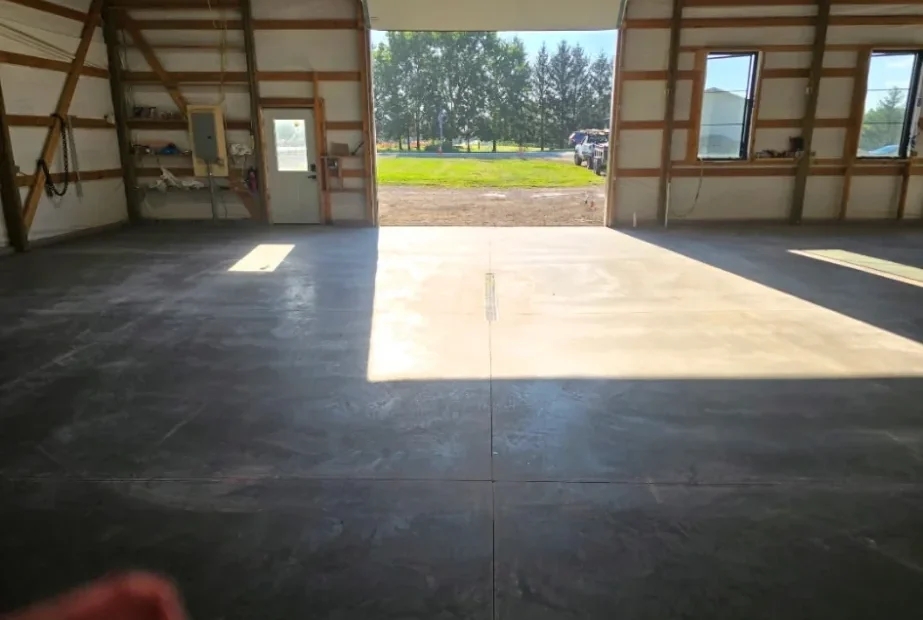
Feedlot and livestock concrete failures in Minnesota: mix strength, air entrainment, scraper lanes, push walls, manure acid resistance. How we spec agricultural concrete to last 30 years.

When to pour 4, 5, 6, or 8 inch concrete in Minnesota. Driveway vs patio vs shop vs ag slab. Load requirements, frost heave, and base prep guidance for Olmsted County.
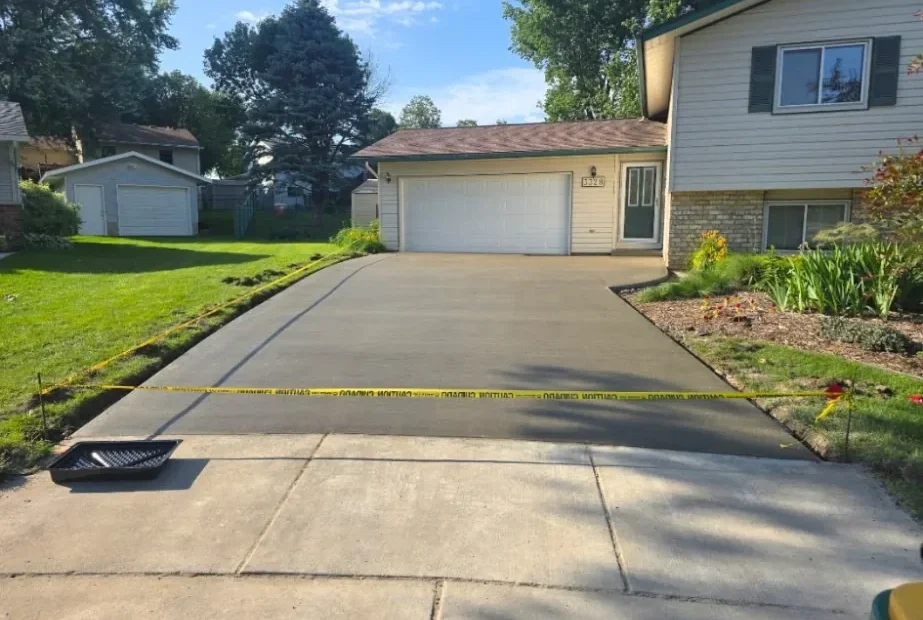
Concrete vs asphalt driveways in Stewartville MN: upfront cost, lifetime cost, freeze-thaw performance, salt damage, maintenance requirements. Honest comparison for Olmsted County homeowners.

Summer concrete in southern MN is a timing game. Above 85°F the mix sets fast, evaporation accelerates, and a slow crew loses control of the slab. How we pour in heat without losing the finish.

A slump cone is a 30-second QC check we run at the truck before we pour. Slump too high means a weak slab. Too low means we cannot finish it. Here is what we check and what we reject.

Residential standard is 4 inches. Trucks and tractors need 5 or 6. Pole barns and shop floors need 6 plus rebar. A field guide to slab thickness for driveways, patios, garages, and ag work in southern MN.

Concrete needs water and time to reach design strength. Three field methods for keeping moisture in the slab: liquid curing compound, wet burlap, polyethylene sheeting. When each is the right call in southern MN conditions.

Three ways to color a concrete slab in southern MN: integral pigment in the truck, acid stain on cured surface, water-based dye for fast accents. Which method is right for driveways, patios, and decorative work.

Tiny air bubbles in the concrete give water room to expand when it freezes. Without them, freeze-thaw cracks the slab from the inside. Every Minnesota pour we do is air-entrained.
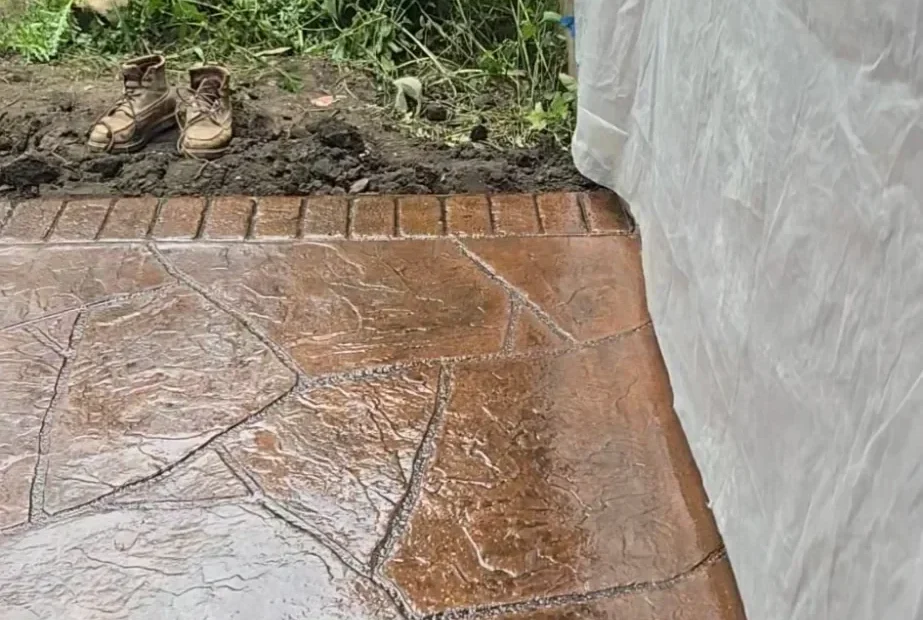
What happens the day we pour — from arriving on site to leaving a finished slab. Five crew, one rhythm, about six hours.

Thin base. Wire mesh instead of rebar. No control joints. Wrong mix. Here is what to look for when the truck pulls away — before the first freeze reveals the corners they cut.